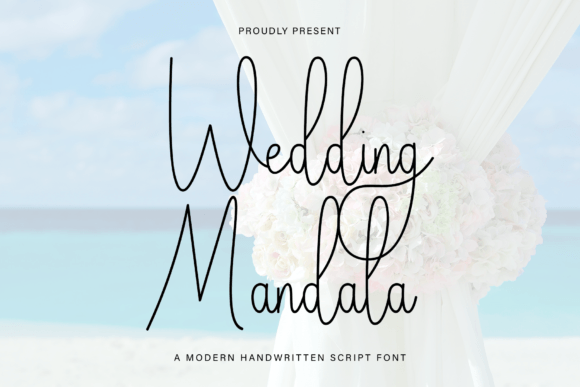
Why Wedding Mandala is the Perfect Script Handwritten Font for Modern Web Design
In the fast-paced world of digital product creation, every pixel counts. As a UI designer who spends hours refining landing pages and app screens, I know that typography is not just about filling space; it is the backbone of visual hierarchy and user engagement. When I first encountered Wedding Mandala, I immediately recognized its potential to transform sterile layouts into warm, inviting brand experiences. This script handwritten typeface brings a delicate, human touch that stands out in a sea of generic sans serif fonts, making it an essential asset for any creative entrepreneur or web designer looking to elevate their digital identity.
The core strength of Wedding Mandala lies in its personality. It is not merely a decorative element but a carefully crafted tool designed to convey uniqueness and elegance. The flowing strokes and organic curves mimic the fluidity of hand-lettering, creating an immediate sense of authenticity. In web design, where users often scan content rapidly, this font acts as a visual anchor. It breaks up monotony in long-form content sections and draws the eye to critical information without feeling forced. Whether you are designing a boutique online store, a coaching website, or a portfolio site, Wedding Mandala helps establish a tone that feels personal and trustworthy.
Strategic Placement for Maximum Impact
One of the most common mistakes designers make with display fonts is overusing them. Wedding Mandala is a premium font that demands respect and strategic placement. It excels when used as a display font for hero titles, section headings, or call-to-action areas where you want to make a strong first impression. Imagine a landing page for a wedding planner or a luxury skincare line; placing Wedding Mandala at the top of the hero section instantly sets a sophisticated mood that encourages visitors to stay longer.
However, its utility extends beyond just headers. In digital marketing and social media graphics, short phrases set in this handwritten font can serve as powerful accents. For instance, using it for "New Collection" banners on an e-commerce site or highlighting key testimonials on a course sales page adds a layer of visual interest that standard block text cannot achieve. It works beautifully for logo design, providing a unique signature that clients will remember. When used correctly, it guides the user's scanning behavior, signaling important transitions between content blocks and reinforcing the brand's narrative.
Readability and User Experience on Digital Screens
While Wedding Mandala is undeniably stylish, usability remains paramount in web design. Its delicate nature means it requires careful consideration regarding size and contrast. On mobile devices, where screen real estate is limited, large, bold instances of this script font work best for headlines, while smaller sizes might become difficult to read against complex backgrounds. To ensure optimal readability, pair it with ample whitespace. This breathing room allows the intricate details of the letters to shine without cluttering the interface.
When integrating this font into dark-themed designs or placing it over image overlays, contrast is your best friend. A light version of Wedding Mandala looks stunning against deep navy or charcoal backgrounds, creating a high-contrast, modern aesthetic. Conversely, on light backgrounds, ensure the font weight is sufficient to prevent the text from fading into the canvas. For buttons and small interactive elements, use the font sparingly. It is better suited for short phrases like "Shop Now" or "Learn More" rather than long sentences, ensuring that the user interface remains clear and accessible.
Mastering Font Pairing for Cohesive Brand Identity
No single typeface can do everything. The true power of Wedding Mandala emerges when it is paired correctly with supporting typography. Because it is a decorative script, it pairs exceptionally well with clean, neutral sans serif fonts for body copy. This combination creates a balanced rhythm: the script captures attention and conveys emotion, while the sans serif ensures legibility and clarity for detailed instructions or long paragraphs. This duality is crucial for maintaining professional standards in digital products.
For brands seeking a more editorial look, pairing Wedding Mandala with a classic serif font can yield elegant results. This combination suggests heritage and sophistication, ideal for legal blogs, high-end fashion sites, or literary portfolios. The key is to maintain a distinct difference in style so that the two fonts complement rather than compete. By mixing a modern typography approach with the timeless feel of a script font, you create a visual language that feels both current and established.
- Creative Portfolios: Use Wedding Mandala for project titles to showcase artistic flair while keeping descriptions in a simple sans serif.
- Boutique Stores: Apply the font to sale banners and product names to evoke a sense of exclusivity and care.
- SaaS Landing Pages: Use it subtly for taglines or feature headers to humanize technical software offerings.
- Digital Templates: Incorporate the font into email newsletter headers to increase open rates through visual distinction.
Technical Considerations and Licensing
Before implementing Wedding Mandala in a live project, it is vital to check the included styles and file formats. Most premium fonts come with multiple weights and alternate characters that can add variety to your design system. Ensure you have access to webfont versions (WOFF2) to guarantee smooth rendering across different browsers and devices. If the font supports multilingual characters, it opens doors for global brands looking to localize their content without losing their typographic voice.
Licensing is another critical factor for commercial projects. Always verify the terms of use for your specific application, whether it is for a client website, an online store, or a digital template sold to others. A proper commercial license protects both the designer and the client, allowing for safe deployment across unlimited domains and apps. Understanding these legal nuances ensures that your design assets remain compliant and ready for scaling.
In conclusion, Wedding Mandala is more than just a pretty typeface; it is a strategic design tool that enhances brand tone and visual hierarchy. By understanding how to leverage its delicate strokes within responsive layouts, web designers can create digital experiences that resonate deeply with users. Whether you are crafting a unique invitation for a digital event or building a comprehensive brand kit, this script handwritten font offers the versatility needed to stand out in a crowded digital landscape.